
News
Why Detectable Zip Ties Matter in Food Processing Facilities
Cable ties are one of the most commonly used items in food processing facilities. They secure electrical wiring, organize pneumatic tubing, identif...
Why Detectable Pens Are Essential in Food Production Facilities
Pens are used every day in food production facilities. Operators complete batch records, quality checks, sanitation logs, maintenance notes, receiv...
The Most Common Sources of Foreign Material Contamination in Food Plants
Foreign material contamination is one of the most visible and disruptive food safety risks in a manufacturing facility. Even a small fragment can l...
Common Mistakes When Implementing Metal Detectable Tools
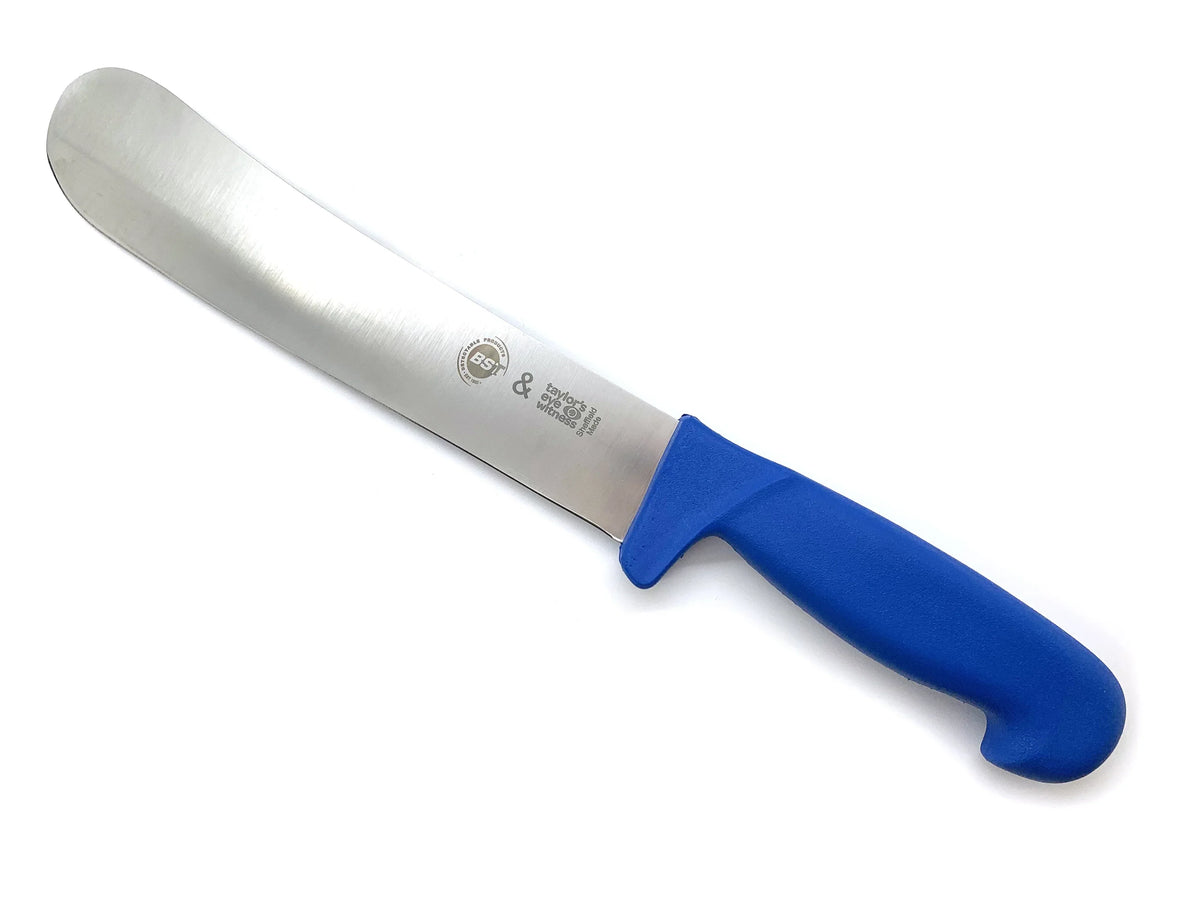
Metal detectable tools can be an effective part of a food facility’s foreign material control program. When selected and managed correctly, they he...

Where Detectable Materials Should Be Used in a Food Processing Facility
Detectable materials play an important role in reducing foreign body contamination risk across food processing facilities. While metal detectors an...
How Metal Detection Test Pieces Verify Food Safety Systems
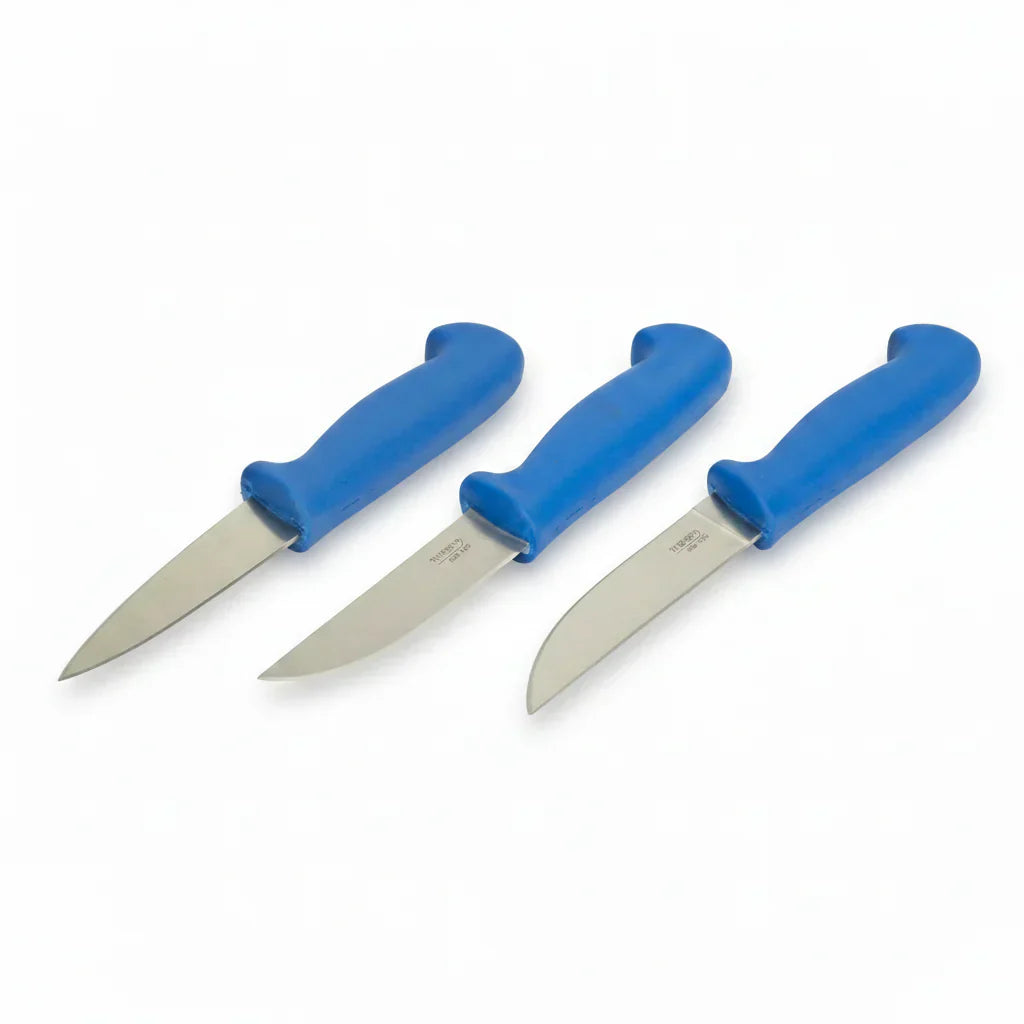
In food manufacturing, metal detection is one of the most important controls used to reduce the risk of foreign body contamination. However, a meta...
Metal Detectable vs X-Ray Visible Materials: What’s the Difference
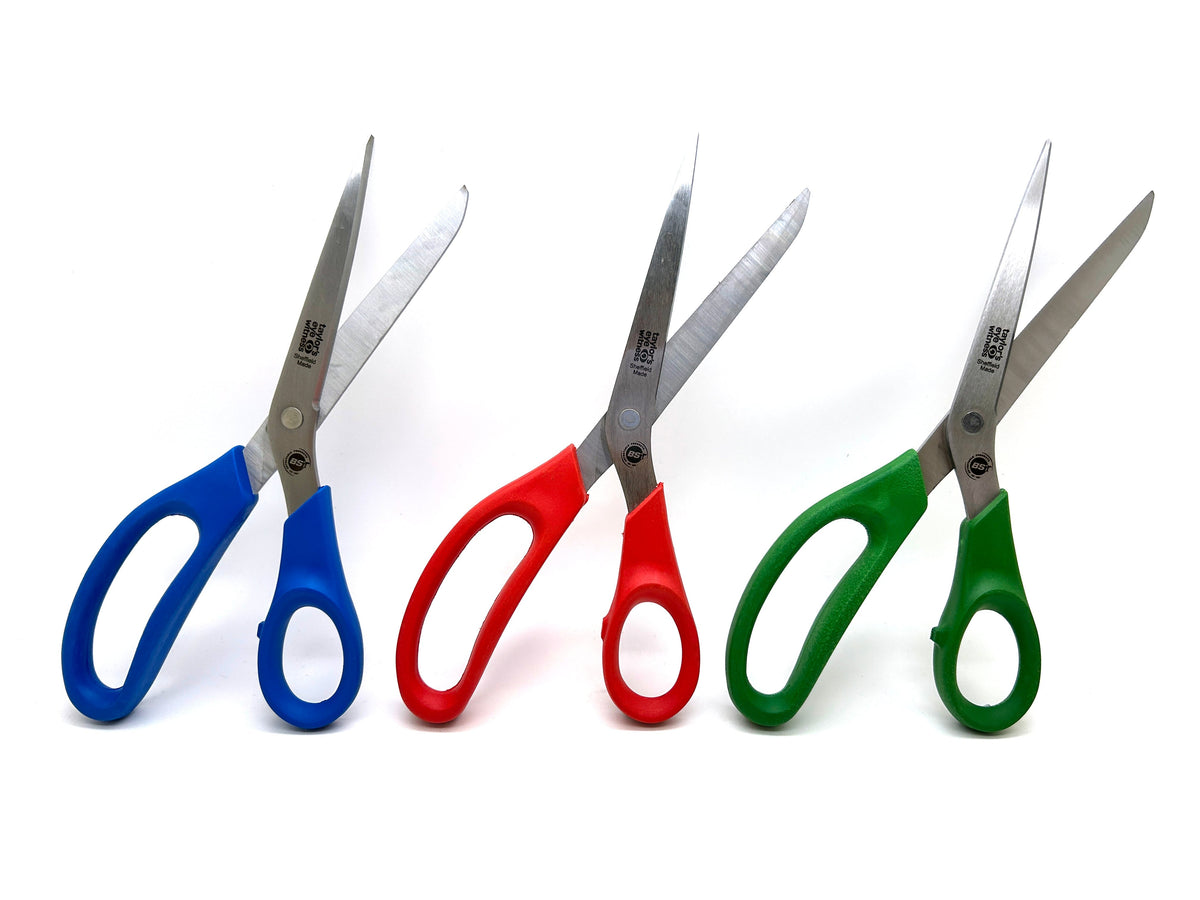
In food manufacturing, foreign material detection is a critical part of maintaining product safety and regulatory compliance. Two of the most widel...
How Detectable Products Help Meet FSMA Requirements
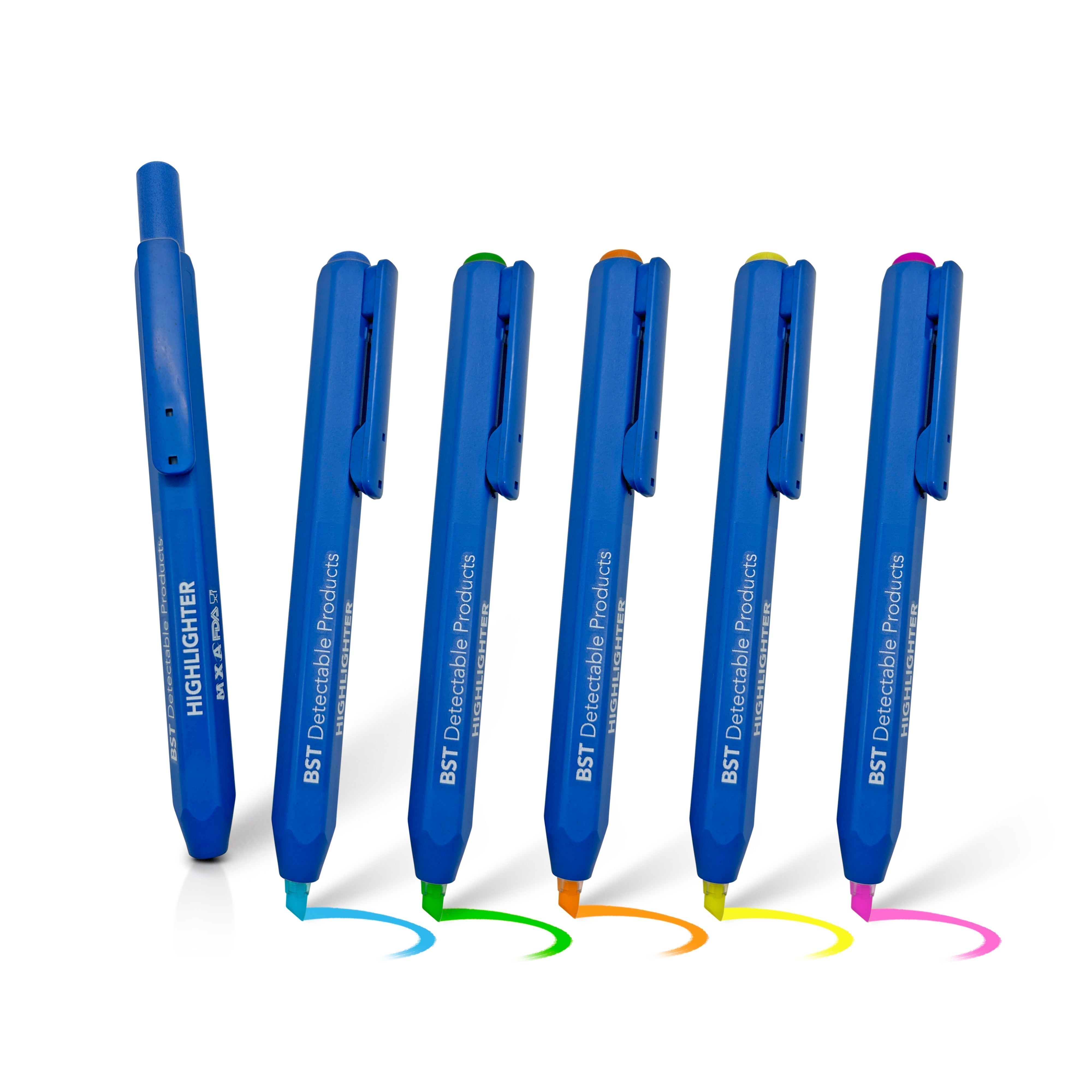
The Food Safety Modernization Act shifted food safety expectations from reaction to prevention. For food manufacturers, that means building systems...
Building a Foreign Material Prevention Program for Food Manufacturing
Foreign material contamination remains one of the most practical food safety risks on the production floor. In food manufacturing, foreign material...

SQF Edition 9: What It Means for Detectable Tools and PPE
For food safety managers and quality assurance teams, SQF Edition 9 represents a continued focus on risk-based controls, documentation, and verific...
How BRCGS, FDA, and HACCP Standards Influence Detectable Equipment Choices
Food manufacturers operate under strict safety expectations designed to prevent contamination and protect consumers. Regulatory frameworks such as ...
How BRC 8, FDA, and HACCP Standards Shape Detectable Equipment Choices in 2025
In 2025, foreign material control will remain one of the most critical and closely audited areas of food, pharmaceutical, nutraceutical, and cosmet...