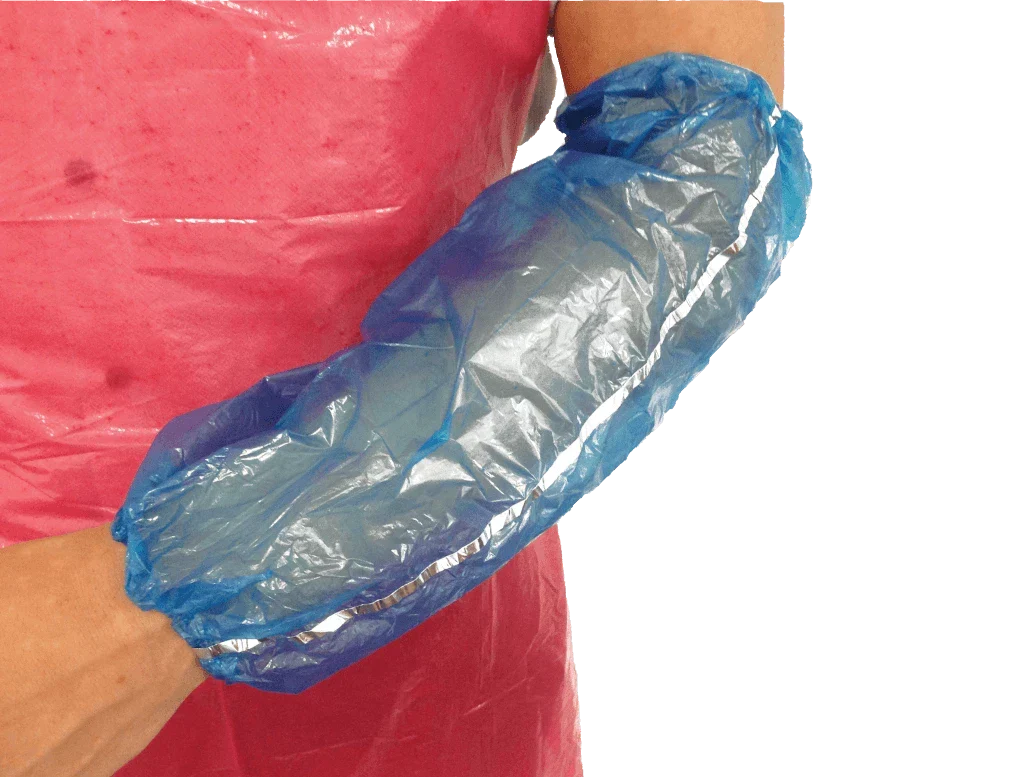
Detectable materials play an important role in reducing foreign body contamination risk across food processing facilities. While metal detectors and X-ray systems are often positioned near the end of a production line, contamination risks can begin much earlier. Tools, pens, gloves, scrapers, gaskets, utensils, and other small items may move through multiple areas of a plant during a normal shift.
For food manufacturing supervisors, food safety managers, and plant engineers, the practical question is not only whether detectable products should be used, but where they provide the most benefit. A strong program places detectable materials in the areas where product exposure, employee interaction, maintenance activity, and line movement create the greatest risk.
High Risk Production Zones
Production zones are often the first place to evaluate when building or improving a detectable materials program. These are areas where ingredients, work-in-process product, or finished goods are exposed to the environment. The more direct contact an item may have with food, the more important detectability becomes.
Common high risk areas include mixing rooms, cutting areas, weighing stations, batching zones, open conveyor lines, forming areas, and ingredient handling locations. In these spaces, small tools and employee supplies can accidentally fall into product or onto contact surfaces.
Examples of detectable products used in production zones include:
- Detectable pens and markers for operator notes and batch records
- Detectable scrapers, paddles, scoops, and utensils
- Detectable cable ties used near equipment or product contact areas
- Detectable gloves for employees handling exposed product
- Detectable knives or safety cutters where cutting is required
Using detectable materials food processing teams can identify through inspection systems adds a practical layer of control. It does not replace good housekeeping, employee training, or equipment maintenance, but it supports those programs by making certain items easier to find if they enter the product stream.
Packaging Areas
Packaging areas can also benefit from detectable materials, especially when finished product remains exposed before sealing. In many facilities, packaging lines have a high level of employee interaction, frequent material handling, and a steady flow of labels, cartons, film, and other supplies.
Even though the product may be close to completion, contamination risk remains active until the package is closed and verified. Pens, clips, gloves, cutting tools, and small parts used around packaging equipment should be reviewed as part of the facility risk assessment.
Examples of detectable products used in packaging areas include:
- Detectable pens for line checks, label verification, and quality records
- Detectable markers for temporary identification tasks
- Detectable safety knives for opening cases or film
- Detectable clipboards or document holders where paperwork is used near the line
- Detectable gloves for employees handling product before final closure
Packaging areas are also a good place to standardize colors and product types. When supervisors and quality staff can quickly recognize approved detectable items, it becomes easier to identify non-approved supplies before they reach the line.
Maintenance Operations
Maintenance activities can introduce temporary risk because tools, parts, fasteners, lubricants, and repair materials are brought close to processing equipment. Work may take place during shutdowns, sanitation windows, changeovers, or even while adjacent lines continue operating.
Detectable materials are especially useful when maintenance work occurs above or near product contact surfaces. Small items such as cable ties, washers, pen caps, seals, and tool fragments can be difficult to see if they fall into equipment or product areas.
Examples of detectable products used in maintenance operations include:
- Detectable cable ties for equipment organization and temporary securing
- Detectable gaskets, seals, and plastic components where compatible
- Detectable tool handles or detectable hand tools for controlled areas
- Detectable pens used for maintenance logs and equipment tags
- Detectable buckets, scoops, or parts containers for controlled use
Plant engineers and maintenance leaders should work with food safety teams to define which materials are approved for use in production areas. This helps ensure that repairs and adjustments support both operational efficiency and contamination control.
Employee Workstations
Employee workstations are another important area to review. These locations often hold personal protective equipment, forms, writing tools, check sheets, calculators, tape, labels, and small supplies. If a workstation is near exposed product or production flow, the items stored there should be selected carefully.
Detectable pens are one of the most common examples because they are used throughout production facilities. A standard office pen may be hard to identify if it breaks or falls into a processing area. A detectable pen is designed to support detection and visual control, making it a better fit for production environments.
Examples of detectable products used at employee workstations include:
- Detectable pens for production, QA, and sanitation records
- Detectable markers for temporary labeling
- Detectable badge holders or ID accessories where appropriate
- Detectable gloves stored for controlled area use
- Detectable clipboards or document storage items near production lines
Workstations should also be organized so that only approved items are available. This reduces the chance of employees bringing non-detectable office supplies or tools into controlled production spaces.
Building a Practical Facility Program
The best detectable materials programs are based on risk. A facility does not need to replace every item at once. Instead, teams should identify where contamination risk is highest and prioritize the areas where detectable equipment will provide the most operational value.
A practical review should consider:
- Where product is exposed
- Where employees handle product directly
- Where maintenance work occurs near product zones
- Where small tools or supplies are used frequently
- Where metal detection or X-ray inspection is part of the control process
Once approved detectable products are selected, facilities should train employees on when and where to use them. Supervisors should also include detectable materials in routine line checks, pre-operational inspections, and internal audits.
Reducing Risk Through Better Placement
Detectable materials provide the most benefit when they are placed where risk is highest. High risk production zones, packaging areas, maintenance operations, and employee workstations are all practical starting points for a stronger contamination control program.
By using detectable tools, detectable pens, detectable gloves, and other approved products in the right areas, food processing facilities can support safer production, cleaner audits, and more consistent daily operations.
Blue Supply Company provides reliable detectable goods for food, pharmaceutical, nutraceutical, and cosmetics manufacturers. For help sourcing detectable materials for your facility, contact Blue Supply Company at service@bluesupplycompany.com or call (888) 585-8725.