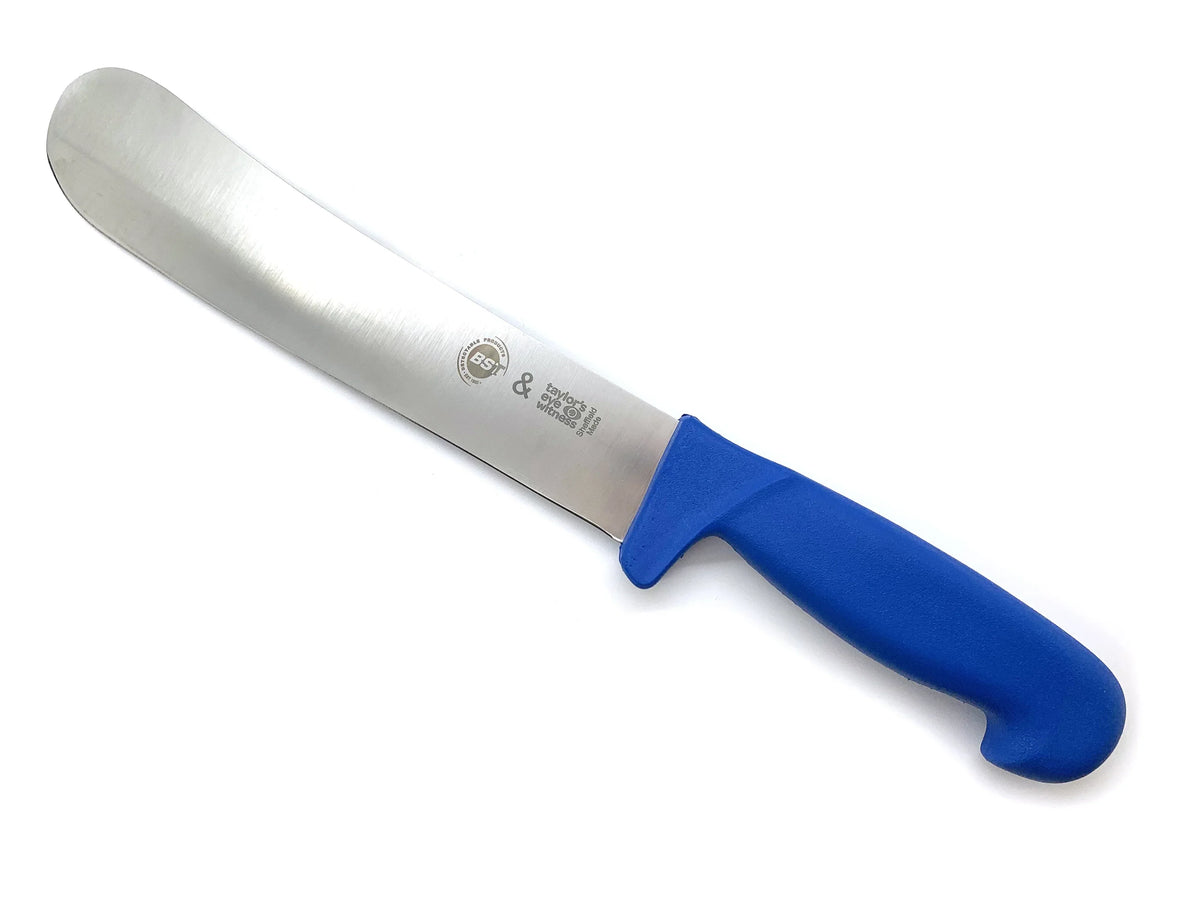
Metal detectable tools can be an effective part of a food facility’s foreign material control program. When selected and managed correctly, they help reduce the risk of contamination from broken, misplaced, or dropped tools used near food production areas. However, simply purchasing detectable products is not enough. Facilities need the right implementation process to make those tools useful in daily operations.
For quality assurance teams, plant managers, and food safety professionals, the goal is to avoid gaps that can weaken the program. The most common mistakes usually involve tool selection, detection verification, inventory control, employee training, and standardization across departments.
Mistake 1: Assuming All Parts of a Tool Are Detectable
One of the most important issues to review is partial detectability. Some tools may include a detectable handle but a non-detectable component, insert, cap, clip, blade cover, or accessory. If that smaller part breaks away, it may not be detected by the facility’s inspection system.
This can create a false sense of control. A tool may be marketed as metal detectable, but that does not always mean every component has the same detection characteristics. Facilities should review product specifications carefully and ask whether the entire item is detectable or only certain parts.
Before approving a tool for use, QA and operations teams should inspect the full design. Look for removable parts, joints, screws, caps, labels, adhesives, and replaceable components. If any part could separate during normal use, it should be included in the facility’s risk review.
Mistake 2: Failing to Verify Detection on Site
A common implementation mistake is relying only on the supplier description instead of verifying detection under actual plant conditions. Metal detection performance can vary depending on the equipment, aperture size, product effect, line speed, product temperature, packaging, and the size and orientation of the contaminant.
Because of these variables, each facility should verify that its metal detectable tools can be identified by its own detection equipment. This is especially important when tools are used around wet, salty, frozen, dense, or highly conductive products.
Testing should be documented and repeated when conditions change. Examples include new product formats, new packaging, detector adjustments, equipment replacement, or changes in tool type. If a facility cannot detect a specific item or fragment size, that limitation should be documented and addressed through tool control, visual checks, restricted use, or alternative products.
Mistake 3: Treating Detectable Tools as a Substitute for Tool Control
Detectability is a safeguard, not a replacement for a controlled tool program. Facilities still need to know which tools are approved, where they are stored, who is using them, and whether they are returned in good condition.
An effective tool control program usually includes:
- An approved tool list by department or production zone
- Assigned storage locations, such as shadow boards or tool cabinets
- Pre-use and post-use checks for damage or missing parts
- Clear rules for removing damaged tools from service
- Procedures for reporting lost tools or tool fragments
- Routine audits by supervisors, QA, or sanitation teams
Without these controls, detectable tools may still be misplaced, damaged, or used in the wrong area. A strong program combines detectability with accountability.
Mistake 4: Skipping Employee Training
Even well-selected tools can fail to support food safety if employees do not understand how to use them correctly. Training should explain why metal detectable tools are required, where they must be used, how to inspect them, and what to do if a tool is damaged or missing.
Employees should also understand that detectable does not mean risk-free. A broken piece still needs to be prevented, found, reported, and controlled. Operators, maintenance staff, sanitation crews, and temporary employees should all receive role-specific instructions.
Training is especially important for maintenance teams because they often bring tools into high risk production areas during repairs, changeovers, and equipment adjustments. Clear expectations help prevent non-approved tools from entering controlled zones.
Mistake 5: Using Inconsistent Products Across the Facility
Inconsistent product selection can create confusion and make compliance harder to manage. For example, one department may use one style of detectable pen, another may use a different color or material, and maintenance may keep separate tools that have not been reviewed by QA.
Standardizing detectable products helps supervisors quickly identify approved items. It also makes purchasing, training, replacement, and audits more efficient. When possible, facilities should select consistent tool types, colors, and sizes across similar production areas.
Standardization also supports corrective action. If a broken tool or fragment is found, teams can more easily determine where it came from when approved items are controlled and consistent.
Mistake 6: Not Reassessing Tools After Process Changes
Food facilities change over time. New products, new lines, equipment upgrades, packaging changes, sanitation methods, and customer requirements can all affect whether a tool remains appropriate for use.
A detectable tool approved for one line may not be the best choice for another. A tool that performed well during dry production may need to be reassessed in a wet or conductive product environment. For this reason, detectable tools should be reviewed as part of management of change, internal audits, and food safety plan updates.
Building a Better Detectable Tool Program
A strong implementation process begins with product selection, but it does not end there. Facilities should verify detection, control tool use, train employees, and keep product choices consistent across departments.
By avoiding common metal detectable tools mistakes, food manufacturers can strengthen contamination control programs and support more reliable daily operations. The best results come when QA, operations, maintenance, purchasing, and plant leadership work from the same approved standards.
Blue Supply Company provides reliable detectable goods for food, pharmaceutical, nutraceutical, and cosmetics manufacturers, including detectable tools and related products for controlled production environments. For help sourcing products for your facility, contact Blue Supply Company at service@bluesupplycompany.com or call (888) 585-8725.