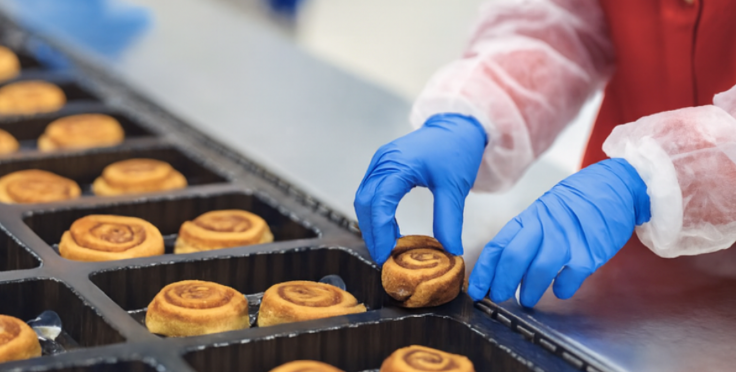
Foreign material contamination remains one of the most practical food safety risks on the production floor. In food manufacturing, foreign material can include metal, plastic, glass, rubber, wood, packaging fragments, personal items, or other unintended matter that enters product during receiving, processing, packaging, or storage. A strong foreign material prevention food manufacturing program helps facilities reduce contamination risk before it becomes a customer complaint, deviation, recall, or injury event.
The most effective programs are built around prevention first, then detection, then response. That means looking beyond a single metal detector or visual check and designing a system that covers people, equipment, materials, process flow, and documentation.
Start by Defining Your Facility’s Foreign Material Risks
A useful prevention program begins with a clear facility-specific risk assessment. Walk each line and identify where foreign material could enter product, where it could be generated, and where it could be missed. Common risk points include:
- Raw material receiving and opening areas
- Equipment wear points, blades, gaskets, seals, belts, and fasteners
- Maintenance activity and tool use near exposed product
- Employee handling, temporary repairs, and personal protective equipment
- Packaging materials, rework handling, and line changeovers
- Post-lethality or final pack areas where contamination may no longer be removed
This is where hazard analysis and plant history matter. Review prior complaints, internal findings, downtime events, maintenance records, and near misses. If a facility has recurring issues with broken utensils, brittle plastic, damaged scoops, worn brushes, or disposable PPE, those trends should shape the control plan.
Build Prevention into Daily Operations
Prevention controls should focus on eliminating fragile items, reducing the number of loose articles in production, and standardizing what is allowed on the floor. Many facilities strengthen this part of the program by replacing conventional items with detectable alternatives that are easier to identify if lost or damaged.
Examples include detectable brushes, detectable scrapers, and detectable PPE such as gloves, beard covers, hairnets, and sleeve covers. Detectable plastics and tools do not replace process discipline, but they can support a stronger control strategy by making line-use items more visible to detection systems and easier to manage in accountable inventories.
Facilities should also set practical rules for tool issuance, line clearance, maintenance sign-off, and replacement of worn items. A good standard is simple: if an item can crack, chip, fray, loosen, or break, it needs an inspection frequency, replacement criteria, and ownership.
Use Inspection Systems as Part of a Larger Control Plan
Inspection technology is important, but it works best when paired with upstream prevention. Depending on the product and process, a facility may use metal detection, X-ray inspection, magnets, screens, sieves, filters, visual inspection, or a combination of these controls. The right choice depends on product type, package format, expected hazards, and where in the process a control has the best chance of finding contamination.
For example, metal detection may be appropriate for finding metal fragments after processing or before finished product release. X-ray inspection may offer broader capability for dense contaminants in some applications. Screens, filters, and magnets can also help reduce risk earlier in the process. What matters most is that each control is tied to a documented hazard analysis, validated where required, and routinely challenged to confirm performance.
Facilities should define:
- What the system is intended to detect
- Where it is installed and why
- How sensitivity or performance standards are established
- How checks are performed and recorded
- What happens when a check fails or suspect product is identified
That last point is critical. A prevention program is incomplete without a clear response plan for product isolation, evaluation, reinspection, disposition, root cause review, and corrective action.
Train Employees on What Good Looks Like
Even well-designed controls fail when employees are unclear on expectations. Training should not stop at general GMPs. Team members need specific instruction on foreign material risks tied to their work area, including approved tools, PPE requirements, pre-op checks, breakage response, line clearance, and what to do if anything unusual is found.
Supervisors and maintenance teams often need deeper training because they influence temporary repairs, equipment condition, and restart decisions. Short, repeated, role-based training is usually more effective than a once-a-year presentation.
It also helps to visually reinforce standards on the floor. Shadow boards, controlled issue stations, tool counts, color-coding, and photos of acceptable versus damaged items can make expectations easier to follow during busy production.
Document, Trend, and Improve
Documentation is what turns a good intention into a functioning program. At minimum, most facilities should maintain risk assessments, approved item lists, inspection frequencies, detector checks, corrective actions, breakage logs, maintenance findings, training records, and verification reviews.
Just as important, review the data for patterns. Are foreign material incidents concentrated on one line, one shift, one supplier, or one style of tool? Are failures linked to sanitation teardown, startup, packaging changeovers, or maintenance work? Trends like these often reveal where the program needs refinement.
A strong foreign material prevention program is not built around a single device or policy. It is built through layered controls that make contamination less likely, easier to detect, and faster to investigate. For food safety managers, plant managers, and quality professionals, that approach creates a more reliable system and a more defensible operation.
If your facility is reviewing floor-use items as part of that effort, Blue Supply Company offers detectable products for food manufacturing environments, including detectable tools, detectable gloves, and other line-use supplies designed to support contamination prevention programs.