Food manufacturers operate under strict safety expectations designed to prevent contamination and protect consumers. Regulatory frameworks such as BRCGS, FDA regulations, and HACCP systems all play an important role in how facilities design their contamination prevention programs. One area these standards influence significantly is the selection of tools, plastics, and equipment used in production environments.
As manufacturers work to strengthen foreign material control programs, many are adopting metal detectable tools, detectable plastics, and detectable writing instruments as part of their overall safety strategy.
The Role of Food Safety Standards in Contamination Prevention
Food safety standards exist to reduce the risk of hazards entering the food supply. Among these hazards, foreign material contamination remains a key concern for both regulators and auditors.
Three major frameworks guide most food manufacturers:
BRCGS (Brand Reputation Compliance Global Standards) focuses heavily on risk management, contamination prevention, and documented control procedures within production environments.
FDA regulations, including requirements introduced through the Food Safety Modernization Act (FSMA), emphasize preventive controls that identify and mitigate potential hazards before contamination occurs.
HACCP (Hazard Analysis and Critical Control Points) is a systematic approach that identifies potential hazards and establishes control measures throughout the production process.
While each system differs slightly in structure, all of them emphasize one core objective: preventing contamination before it reaches finished product.
Foreign materials such as plastic fragments, broken tools, or small equipment parts are among the risks these systems aim to control.
Foreign Material Control in Food Manufacturing
Foreign material contamination can originate from many sources within a facility. Common examples include pieces of broken plastic tools, fragments from equipment components, pen parts, or small maintenance items such as cable ties.
Because of this risk, most food safety programs require facilities to implement multiple layers of control, including:
-
Visual inspection programs
-
Equipment maintenance procedures
-
Metal detection or X-ray inspection systems
-
Tool management policies
-
Documentation and traceability procedures
These measures help ensure that if contamination occurs, it can be quickly identified and removed before reaching consumers.
However, detection systems alone are not always enough. The types of materials used in the production environment can significantly influence how effectively contamination is detected.
Why Detectable Equipment Is Becoming Standard in Food Facilities
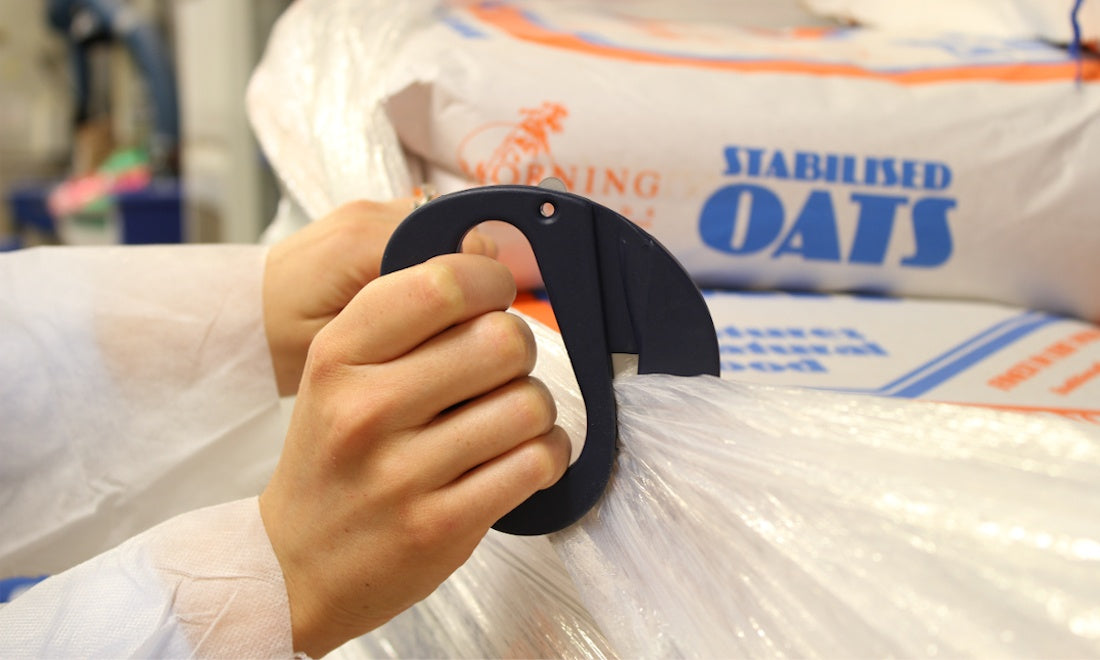
Many manufacturers are now replacing traditional plastic tools with metal detectable alternatives. Detectable plastics are manufactured with specialized additives that allow fragments to be identified by metal detection systems commonly used in food processing.
When a detectable item breaks or fragments, those pieces are far more likely to be detected during product inspection.
Examples of commonly used detectable products include:
-
Detectable pens used for documentation and labeling
-
Detectable scrapers, scoops, and hand tools
-
Detectable cable ties and maintenance components
-
Detectable PPE such as certain gloves or accessories
By using materials that can be identified by inspection systems, facilities strengthen their overall contamination control program.
Why Auditors Evaluate Tool and Equipment Selection
During food safety audits, inspectors often review the materials and tools used within production areas. The goal is to determine whether the facility has taken reasonable steps to minimize contamination risks.
Auditors may evaluate:
-
Whether tools used near food are appropriate for the environment
-
Whether breakable plastics are present in high-risk areas
-
Whether tool control procedures are documented
-
Whether foreign material hazards have been considered in HACCP plans
Facilities that rely heavily on standard plastic tools may face additional scrutiny because fragments from these materials can be difficult to detect.
In contrast, detectable tools and equipment demonstrate that a facility has considered contamination risk and implemented preventative measures.
Supporting Compliance Through Material Selection
While food safety standards do not typically require specific brands or products, they do emphasize risk reduction and preventive control strategies. Selecting detectable equipment is one practical way facilities can strengthen their compliance efforts.
By incorporating detectable materials into daily operations, manufacturers can:
-
Improve the likelihood of detecting foreign material fragments
-
Simplify contamination investigations
-
Reduce the potential scope of product holds or recalls
-
Demonstrate proactive risk management during audits
These advantages make detectable tools and equipment a valuable component of modern food safety programs.
Strengthening Contamination Prevention Programs
Effective contamination control requires a combination of procedures, technology, and material selection. Standards such as BRCGS, FDA regulations, and HACCP frameworks all encourage manufacturers to evaluate potential risks within their production environment and implement appropriate controls.
Detectable tools, plastics, and equipment provide an additional layer of protection by helping inspection systems identify fragments that might otherwise go unnoticed.
As food safety expectations continue to evolve, many manufacturers are adopting detectable equipment as part of a broader strategy to improve compliance, strengthen foreign material control, and support safer production environments.